Jaipur : The Pink City
Jaipur : The Pink City
Jaipur : The Pink City
THE GOLDEN TRIANGLE
Jaipur-The Pink City
Jaipur is a major tourist destination in India forming a part of the Golden Triangle.In the 2008 Conde Nast Traveller Readers Choice Survey, Jaipur was ranked the seventh best place to visit in Asia. According to TripAdvisor's 2015 Traveller's Choice Awards, Jaipur was ranked first among the Indian destinations for the year.The Presidential Suite at the Raj Palace Hotel, billed at US$45,000 per night, was listed in second place on CNN's World's 15 most expensive hotel suites in 2012. Jaipur was ranked eighth in "The Top 15 Cities in Asia". Jaipur Exhibition & Convention Centre (JECC) is Rajasthan's biggest convention and exhibition center.Visitor attractions include the Albert Hall Museum, Hawa Mahal, Jal Mahal, City Palace, Amer Fort, Jantar Mantar, Nahargarh Fort, Jaigarh Fort, Birla Mandir, Galtaji, Govind Dev Ji Temple, Garh Ganesh Temple, Moti Dungri Ganesh Temple, Sanghiji Jain temple and the Jaipur Zoo.The Jantar Mantar observatory, a collection of 19 astronomical instruments and Amer Fort are World Heritage Sites.Hawa Mahal is a five-storey pyramidal shaped monument with 953 windowsthat rises 15 metres (50 ft) from its high base. Sisodiya Rani Bagh and Kanak Vrindavan are the major parks in Jaipur.
Let's Have A Look To Our Major Destinations
Amer Fort
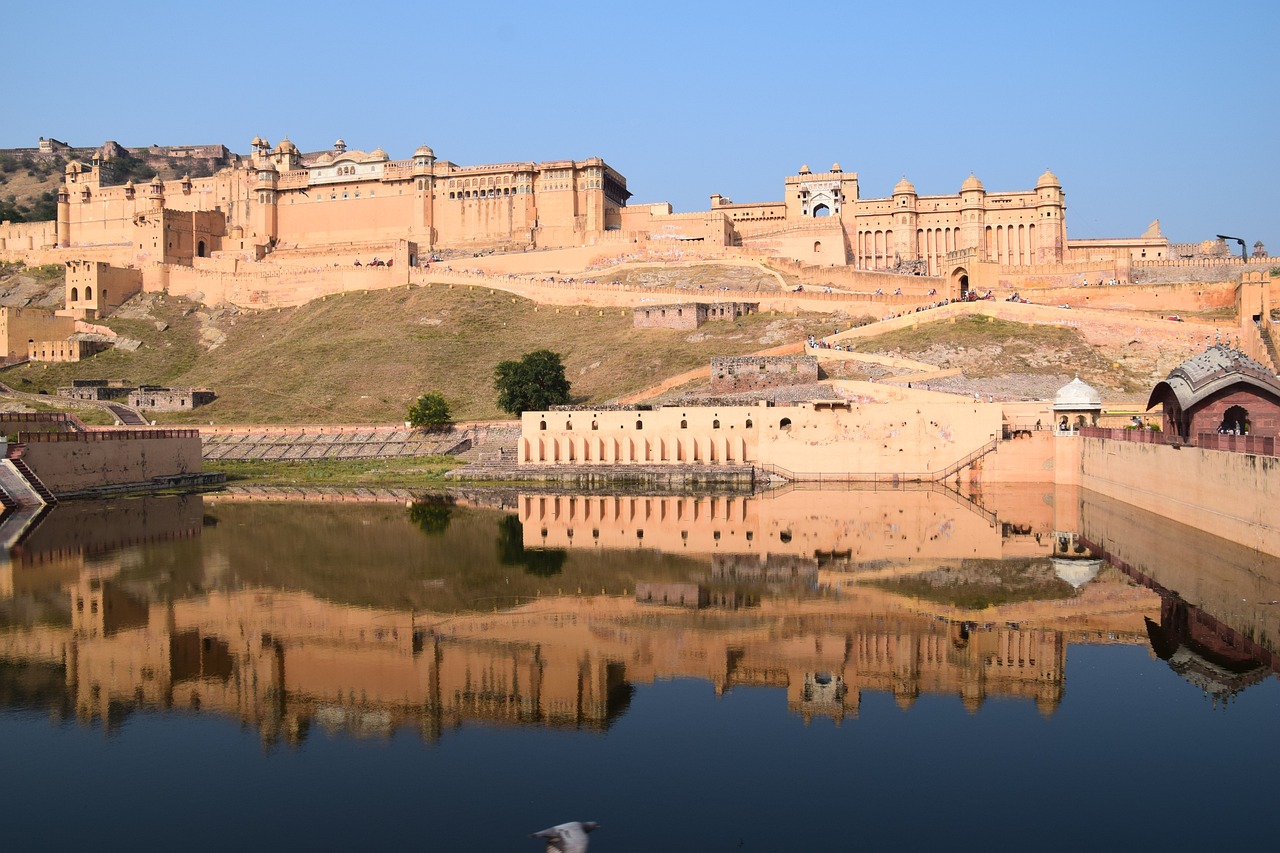
Amer Fort is a majestic palace known for its artistic Hindu-style architecture and stunning hilltop location. Built in the 16th century by Raja Man Singh, the fort boasts intricate mirror work, marble carvings, and grand courtyards. The Sheesh Mahal (Mirror Palace) is a highlight, with thousands of small mirrors reflecting light beautifully. The fort overlooks Maota Lake, enhancing its scenic charm. Elephant rides and light-and-sound shows add to the visitor experience.
Hawa Mahal
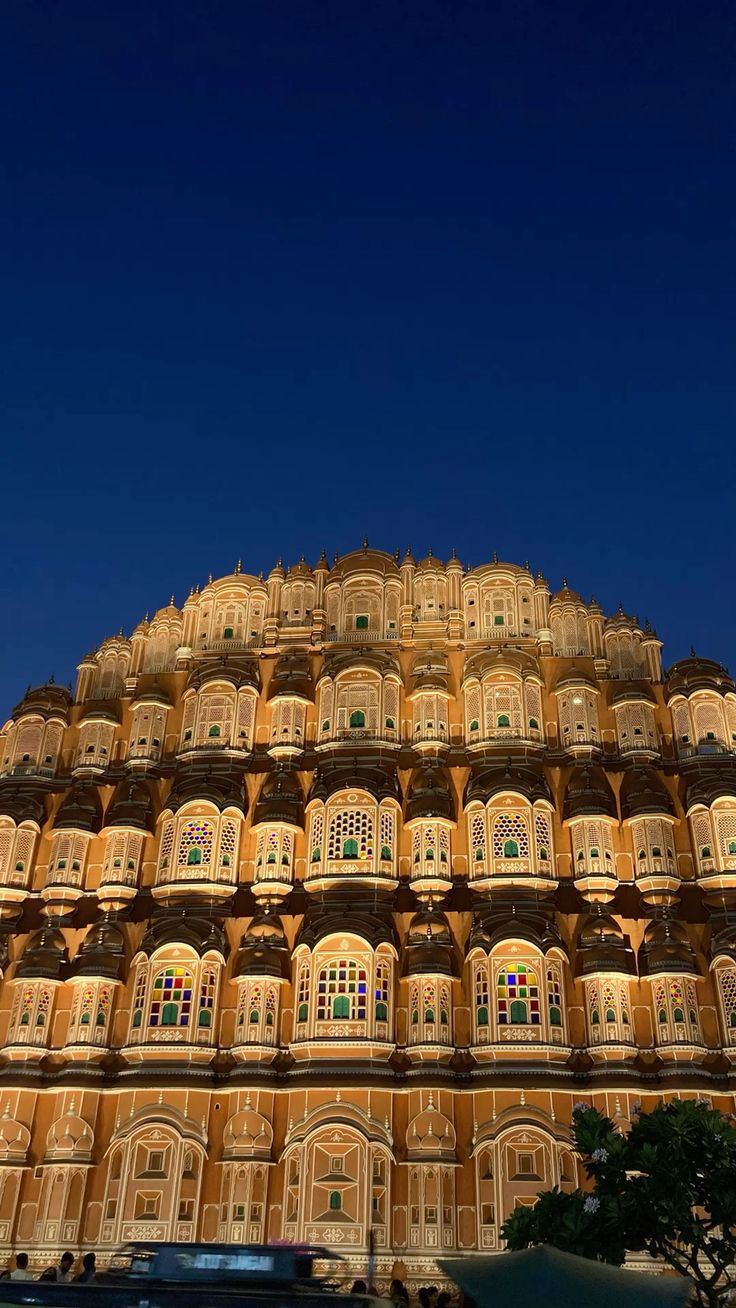
Hawa Mahal, or the "Palace of Winds," is an iconic five-story structure built by Maharaja Sawai Pratap Singh in 1799. Made of red and pink sandstone, it features 953 small windows (jharokhas) designed to let cool air circulate, keeping the palace ventilated. It allowed royal women to observe city life while maintaining their privacy. The honeycomb-like design and intricate latticework make it a photographer’s delight.
Jal Mahal
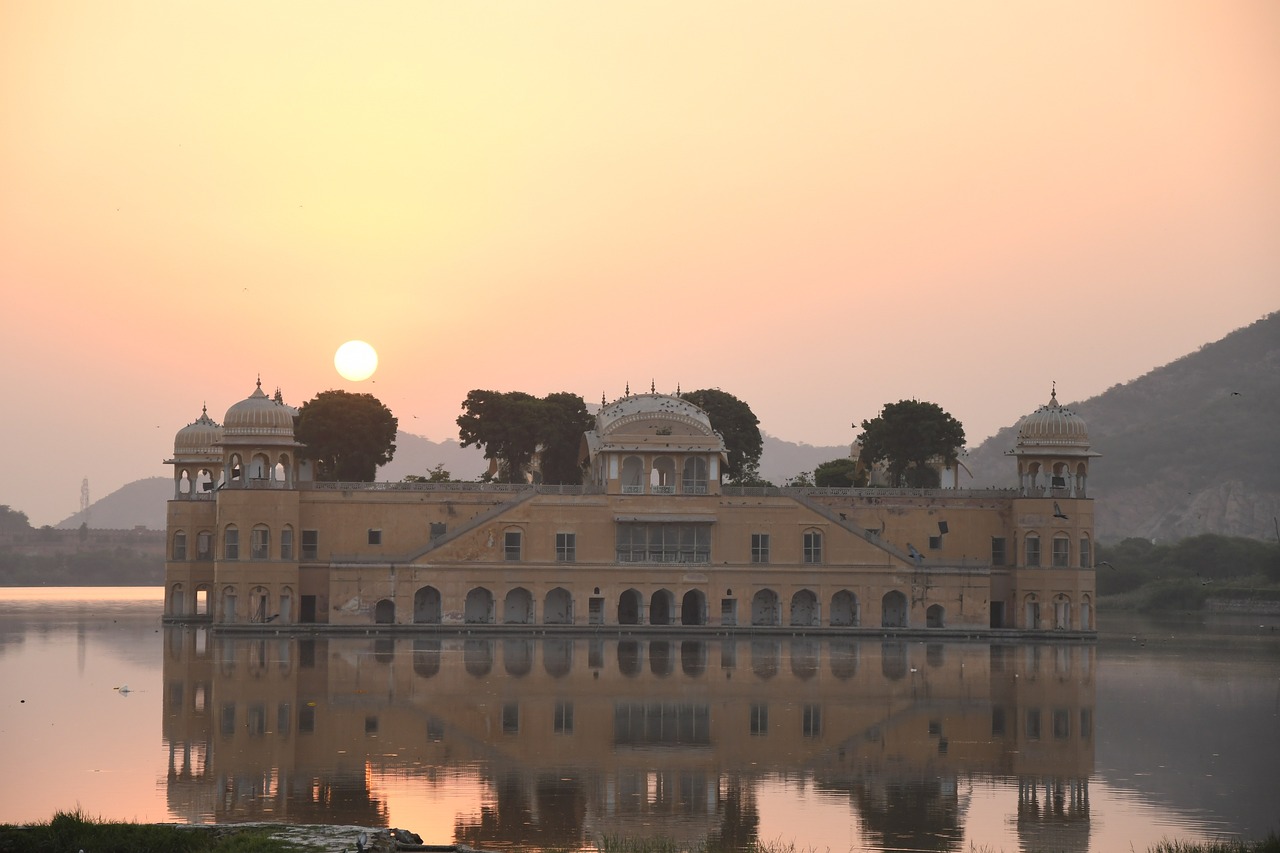
Jal Mahal, or the "Water Palace," is a beautiful architectural marvel set in the middle of Man Sagar Lake. Built in the 18th century, it showcases Rajput and Mughal architecture with intricate chhatris and domes. Though most of the palace is submerged, the top floor remains visible. It is a serene spot, offering picturesque views, especially during sunrise and sunset. Birdwatching is popular here, with several migratory birds visiting the lake.
Albert Hall
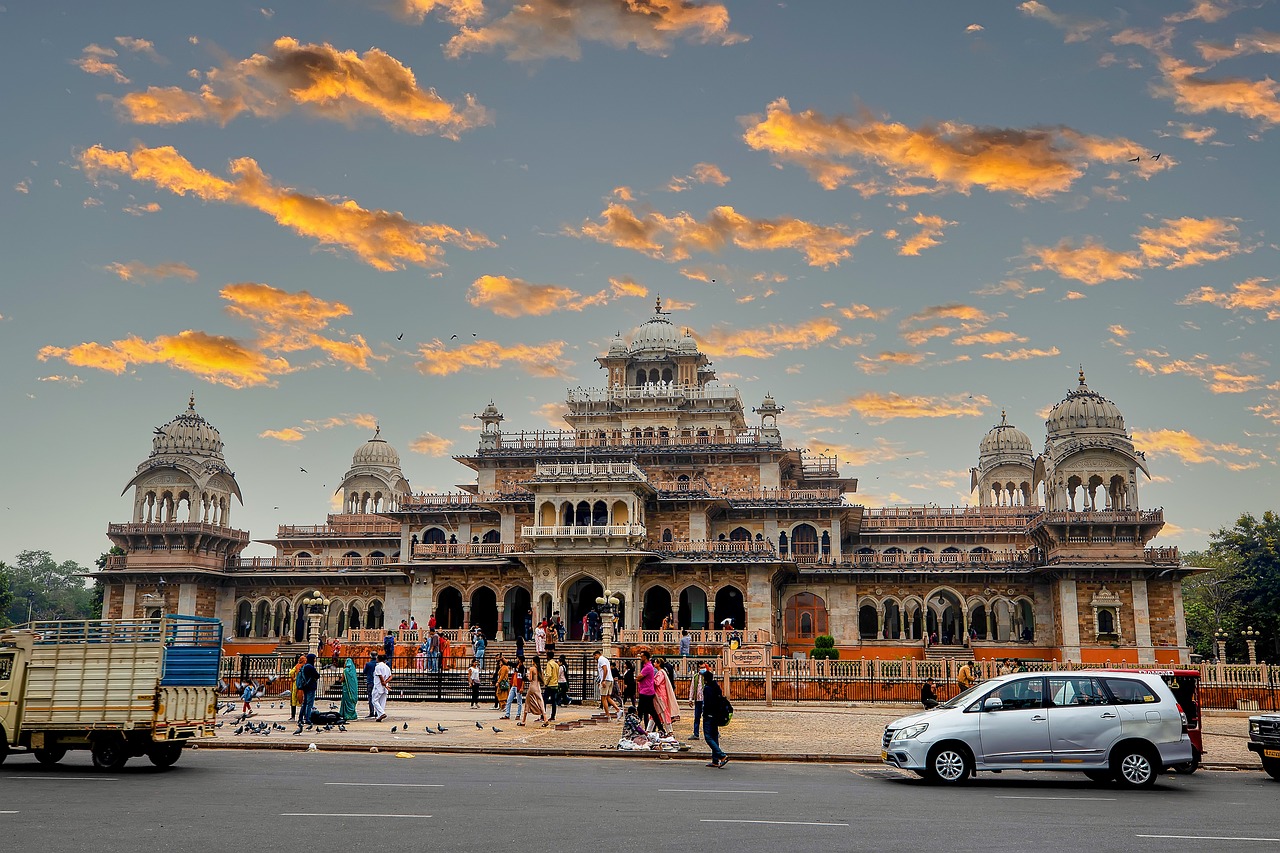
Albert Hall Museum is Rajasthan’s oldest museum, built in 1876 and inspired by Indo-Saracenic architecture. It houses an impressive collection of ancient artifacts, paintings, sculptures, and royal costumes. The museum is famous for its Egyptian mummy and a vast collection of coins and weapons. The illuminated view of the museum at night is breathtaking. It is located in Ram Niwas Garden, adding to its charm.
City Palace
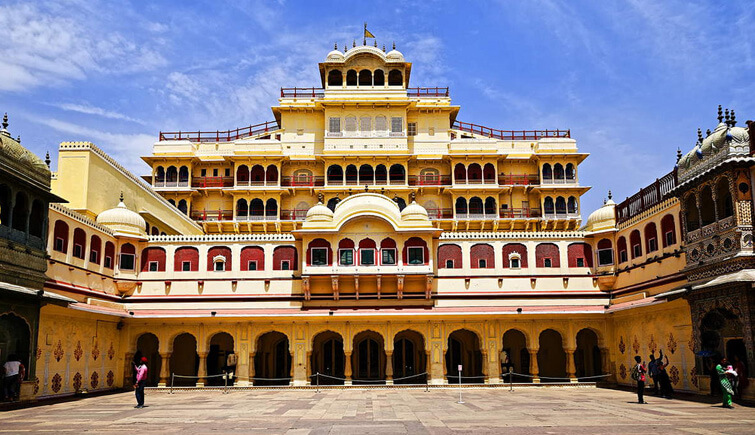
The City Palace in Jaipur is a magnificent blend of Rajasthani and Mughal architecture, built between 1729 and 1732 by Maharaja Sawai Jai Singh II. This sprawling palace complex consists of numerous courtyards, gardens, and buildings. Notable structures include the Chandra Mahal, which now houses a museum showcasing royal artifacts, and the Mubarak Mahal, which displays textiles and costumes. The intricate Peacock Gate and Diwan-i-Khas, with its marble pillars, add to the palace's grandeur. The City Palace also features a stunning display of art and craftsmanship, with ornate carvings, frescoes, and mirror work. As the residence of Jaipur's royal family, the palace offers a glimpse into the opulent lifestyle and rich history of Rajasthan's royalty. It remains one of Jaipur's most iconic landmarks, attracting tourists and history enthusiasts from around the world.
Jantar Mantar

Jantar Mantar in Jaipur is an astronomical observatory built by Maharaja Sawai Jai Singh II in 1734. It is one of the largest and best-preserved observatories in India, featuring a collection of 19 architectural astronomical instruments. These instruments, made of stone and brass, are designed to measure time, predict eclipses, and track celestial bodies. The Samrat Yantra, a massive sundial, stands as the tallest structure in the observatory and is capable of measuring time with an accuracy of two seconds. Other notable instruments include the Jai Prakash Yantra, which helps to observe celestial altitudes, and the Ram Yantra, used for measuring the local coordinates of declination and azimuth of celestial objects. Jantar Mantar is a UNESCO World Heritage Site, highlighting its historical and scientific significance. It remains a testament to the advanced astronomical knowledge and architectural prowess of 18th-century India.