Delhi - The Capital City of India
Delhi - The Capital City of India
Delhi - The Capital City of India
THE GOLDEN TRIANGLE
Delhi - The Capital City of India
Delhi, the capital of India, is a vibrant blend of history, culture, and modernity, making it a top tourist destination. The city boasts iconic landmarks like the Red Fort, India Gate, and Qutub Minar. Visitors explore the grandeur of Humayun’s Tomb and the Lotus Temple’s serenity. Chandni Chowk offers bustling markets and delicious street food, while Connaught Place provides shopping and nightlife. Delhi’s museums, such as the National Museum, showcase rich heritage. The Akshardham Temple and Jama Masjid reflect architectural brilliance. With its mix of Mughal-era charm and contemporary attractions, Delhi promises an unforgettable experience for travelers.
Let's Have A Look To Our Major Destinations
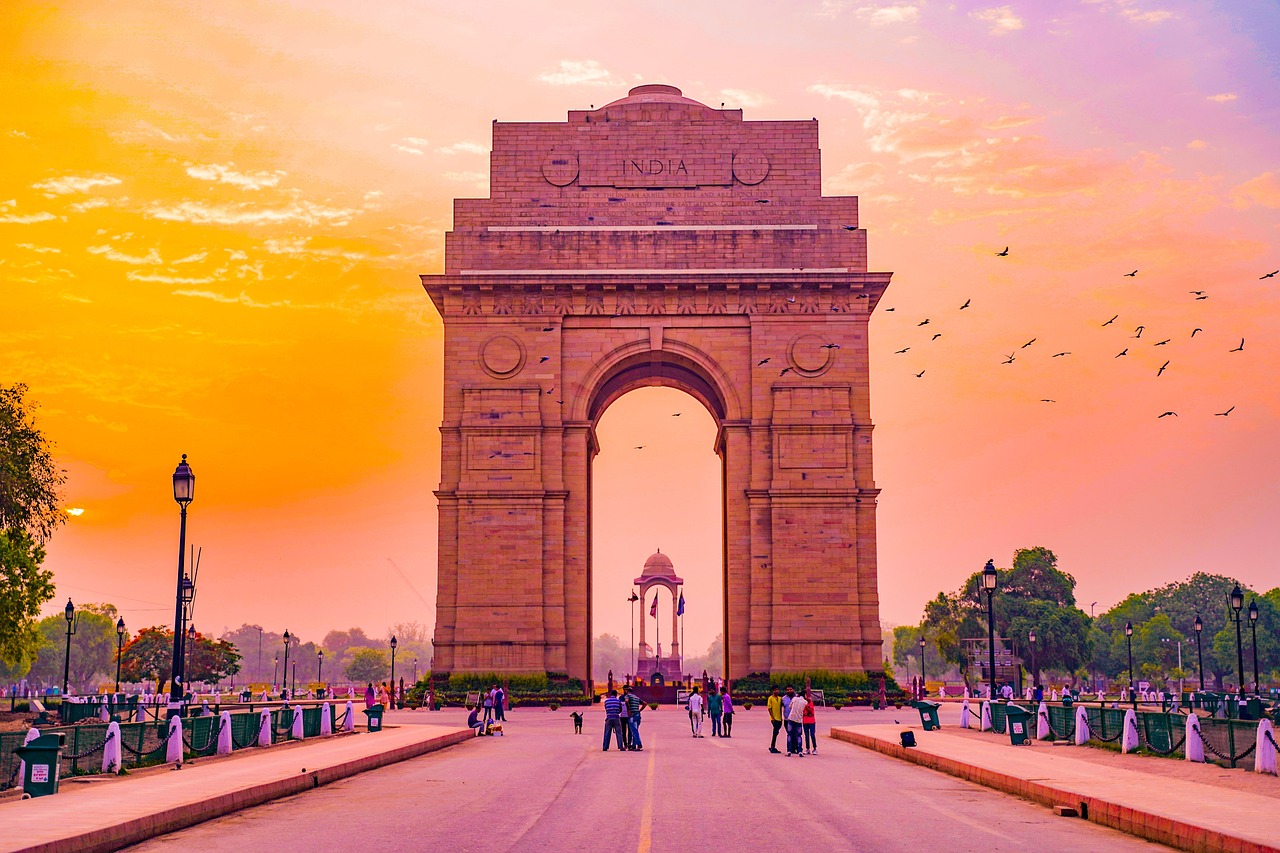
India Gate
India Gate is a 42-meter-high war memorial built in honor of soldiers who died in World War I. Designed by Sir Edwin Lutyens, it resembles the Arc de Triomphe in Paris. The Amar Jawan Jyoti, an eternal flame, burns beneath it as a tribute to fallen soldiers. It is surrounded by lush lawns, making it a popular picnic spot. The area is beautifully lit at night, creating a mesmerizing view.
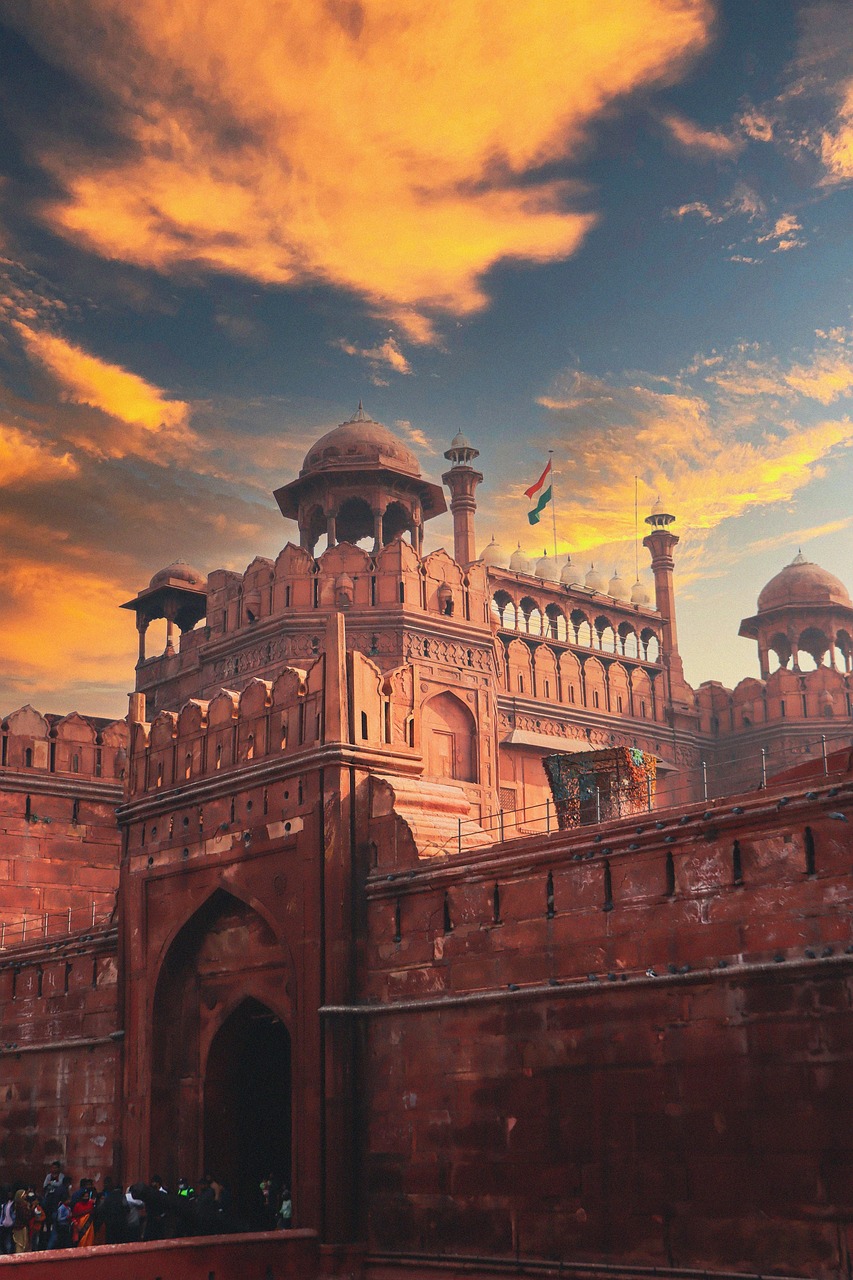
Red Fort
The Red Fort, built by Emperor Shah Jahan in 1648, is a UNESCO World Heritage Site and a symbol of India’s independence. Made of red sandstone, it features grand gates, palaces, and the iconic Diwan-i-Aam and Diwan-i-Khas. The fort also houses the beautiful Moti Masjid and a museum displaying Mughal artifacts. Every year, the Prime Minister hoists the national flag here on Independence Day
Qutab Minar
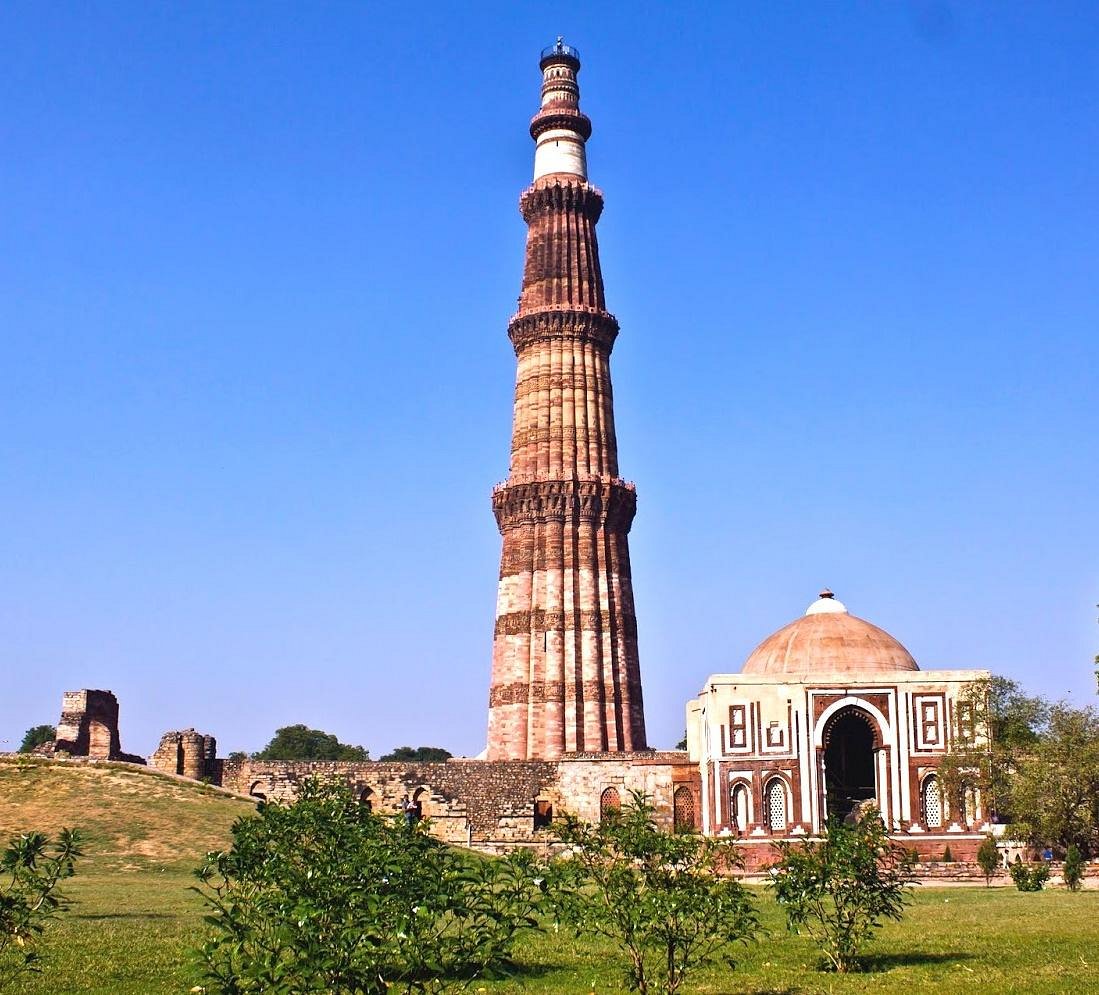
Qutub Minar, the world’s tallest brick minaret at 73 meters, was built by Qutb-ud-din Aibak in 1193. It is a UNESCO-listed structure showcasing Indo-Islamic architecture with intricate carvings and Quranic inscriptions. The surrounding Qutub complex houses ancient ruins, including the Iron Pillar of Delhi. The site is a major tourist attraction and a symbol of Delhi’s rich history.
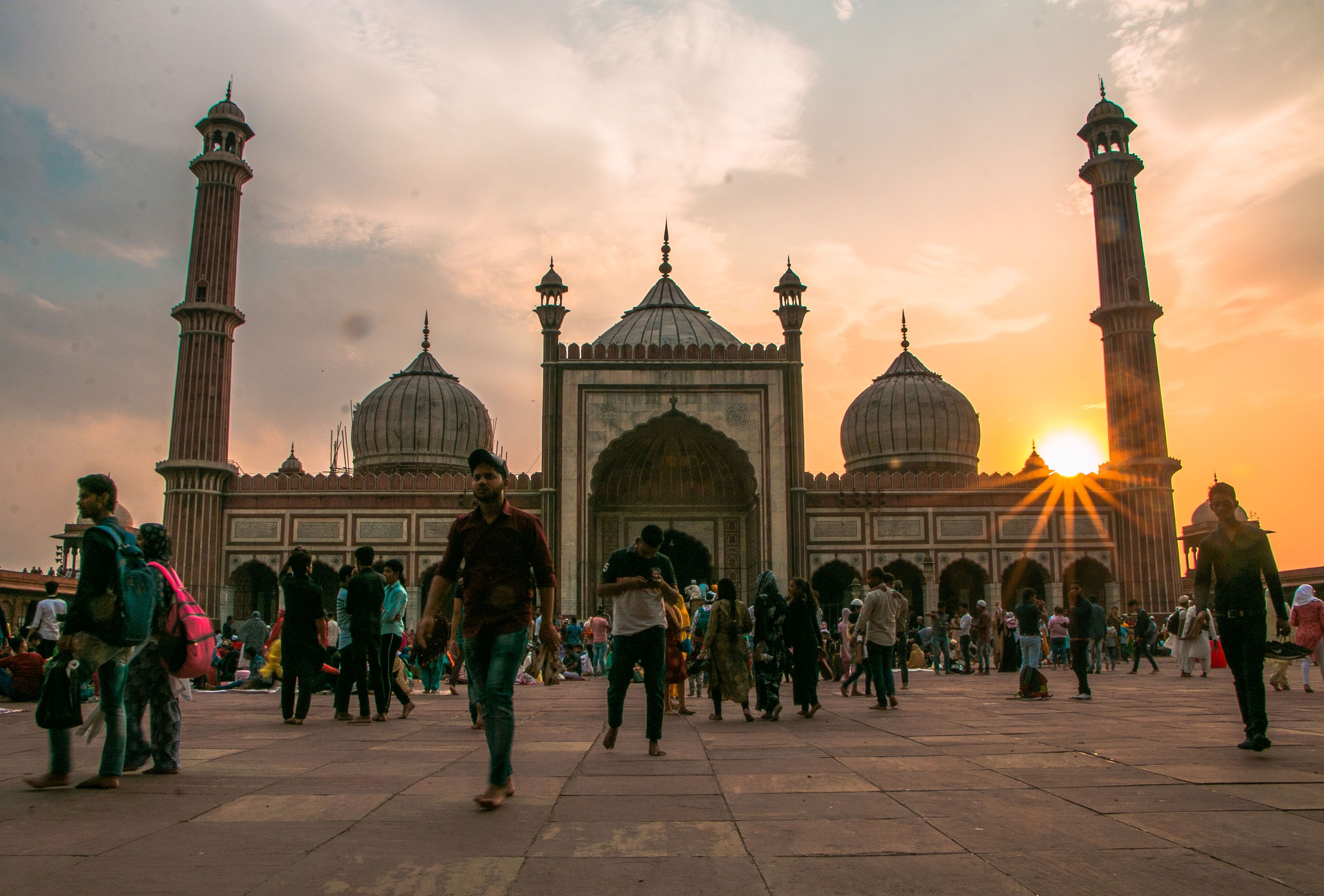
Jama Masjid
Jama Masjid, Delhi: Built between 1650 and 1656 by Mughal Emperor Shah Jahan, Jama Masjid is one of India's largest and most magnificent mosques. Located in Old Delhi, it showcases stunning red sandstone and white marble architecture, adorned with intricate carvings. The mosque features three grand gates, four towers, and two towering minarets, each standing 40 meters high2. The spacious courtyard can accommodate over 25,000 worshippers. Jama Masjid remains an iconic symbol of India's rich cultural and religious diversity, attracting both devotees and tourists eager to explore its historical significance and architectural grandeur.
Rashtrapati Bhavan
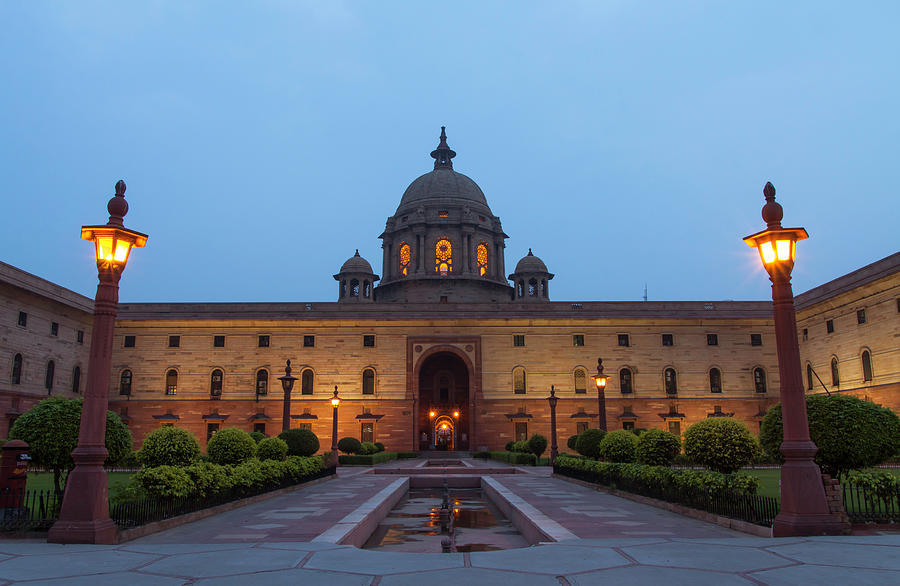
Rashtrapati Bhavan, the official residence of the President of India, is an architectural marvel located at the western end of Rajpath in New Delhi. Designed by Sir Edwin Lutyens and Herbert Baker, it was completed in 19296. The H-shaped building spans 330 acres and includes 340 rooms, reception halls, guest rooms, and offices. The estate also features the Mughal Gardens, open spaces, and residences for staff8. Originally built as the Viceroy's House during the British Raj, it was renamed Rashtrapati Bhavan after India's independence. The building stands as a symbol of India's democratic traditions and cultural heritage.