.jpg)
We offer you best places
We offer you best travel experts
We offer you best destination to visit
OTHER DESTINATION
-
Desert National Park
Desert National Park, located in Rajasthan, is one of India’s largest wildlife reserves in the Thar Desert. It is home to the endangered Great Indian Bustard, along with desert foxes, chinkaras, and various reptiles. The park features sand dunes, rocky cliffs, and salt lakes, offering a true desert landscape. Visitors can enjoy jeep safaris and birdwatching.
-
Patwon ki Haveli
Patwon ki Haveli is a collection of five grand havelis in Jaisalmer, built in the early 19th century. Known for its detailed carvings, mirror work, and balconies, it showcases the grandeur of wealthy merchants. The haveli complex houses a museum displaying artifacts, textiles, and paintings. It is an architectural gem of Rajasthan
-
Neemrana Fort

Neemrana Fort, a 15th-century fortress turned heritage hotel, is located between Delhi and Jaipur. It offers breathtaking views, historic ambiance, and luxury accommodations. Visitors can explore its courtyards, step wells, and palaces. Activities like zip-lining and cultural performances add to the experience
-
Jaisalmer Fort
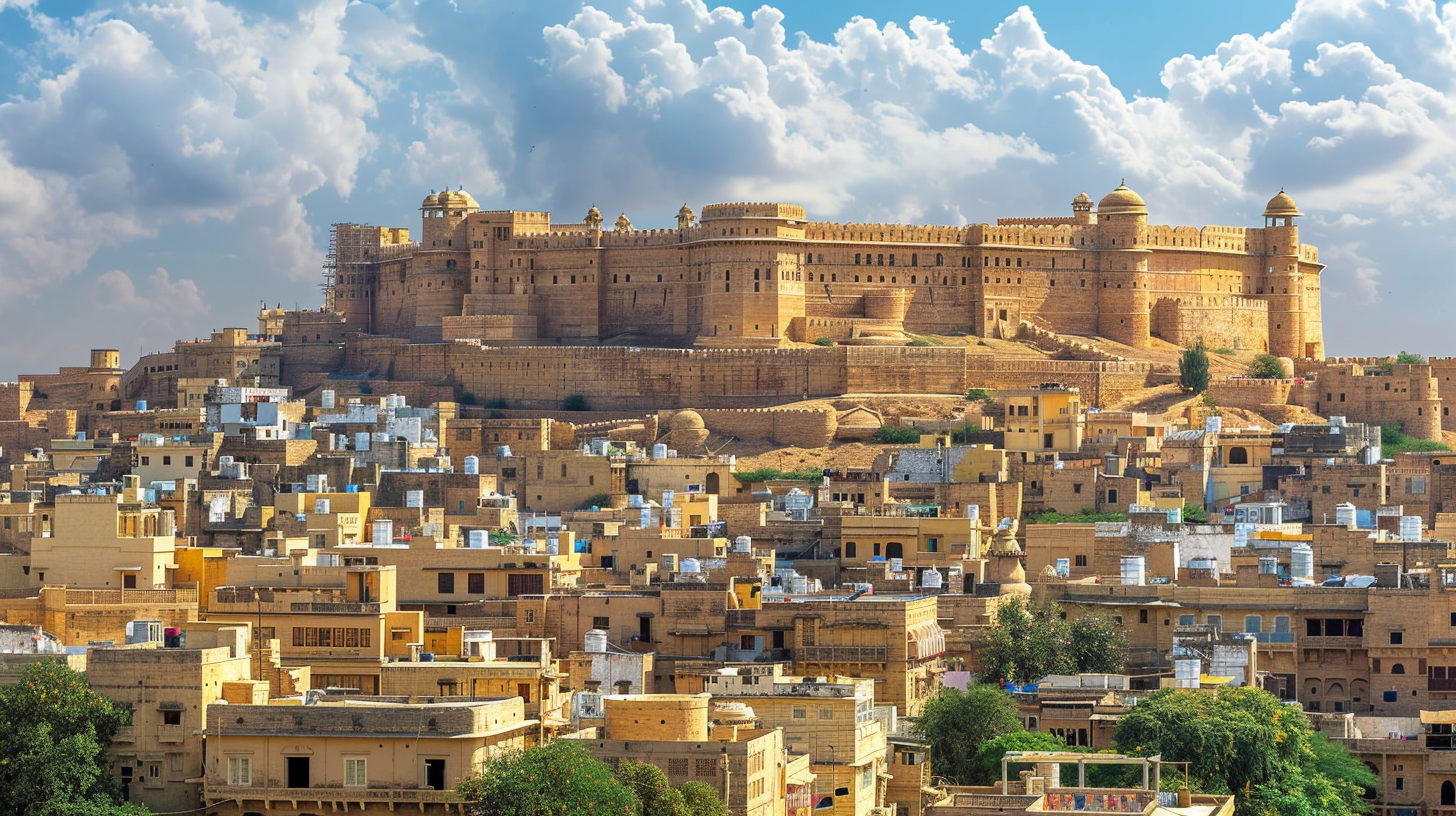
Jaisalmer Fort, also known as Sonar Quila, is a massive sandstone fortress that glows golden at sunset. It is one of the few "living forts" where people still reside. The fort houses palaces, temples, and shops, making it a cultural hub.
-
Gadisar Lake
.jpg)
Gadisar Lake is a man-made reservoir in Jaisalmer, originally built to supply water to the city. It is surrounded by temples and ghats, making it a peaceful retreat. Boating and birdwatching are popular activities here.
-
Lake Pichola
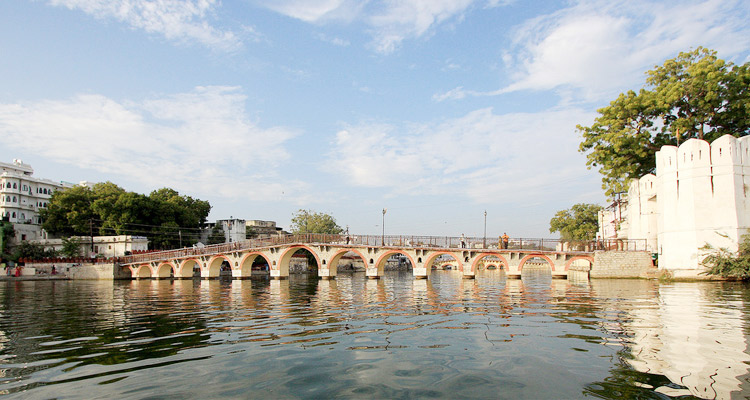
Lake Pichola is a stunning man-made lake in Udaipur, surrounded by majestic palaces, ghats, and hills. Built in 1362, it offers breathtaking views, especially during sunrise and sunset. A boat ride on the lake lets visitors admire the Lake Palace, which appears to float on the water, and Jag Mandir, an island palace.
-
Umaid Bhawan Palace

One of the world's largest private residences, Umaid Bhawan Palace in Jodhpur is an architectural masterpiece blending Rajput and Indo-Colonial styles. Built between 1928 and 1943, it was commissioned by Maharaja Umaid Singh to provide employment during a famine. Today, the palace is divided into a luxury Taj hotel, a museum showcasing royal artifacts, and the residence of the Jodhpur royal family.
-
Kumbhalgarh Fort
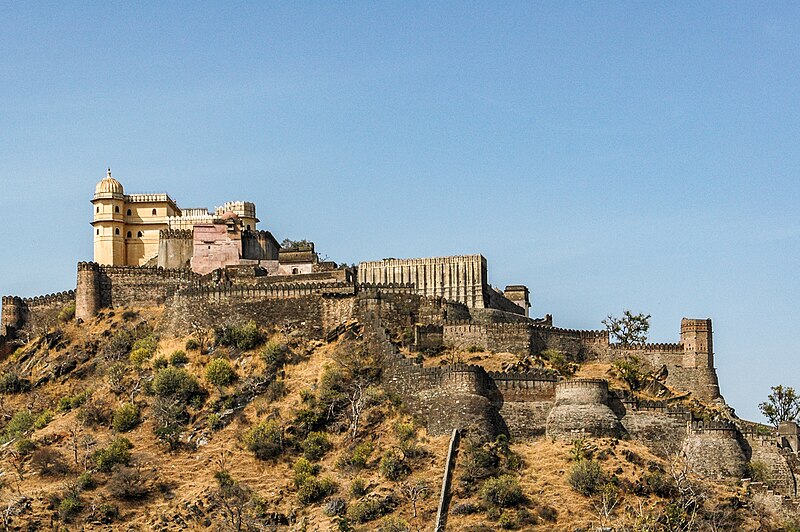
Kumbhalgarh Fort, a UNESCO World Heritage Site, is famous for having the second-longest wall in the world, stretching over 36 km. Built in the 15th century by Rana Kumbha, the fort is perched atop the Aravalli hills and offers breathtaking views of the surrounding landscape. It played a crucial role in Rajput history, serving as an impenetrable stronghold
-
Ranthambore National Park
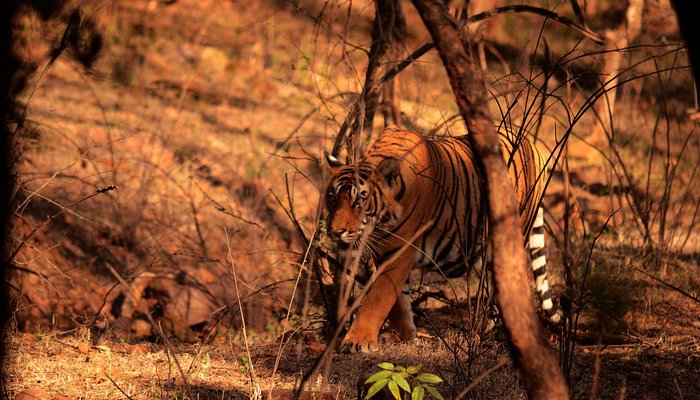
One of India’s best wildlife destinations, Ranthambore National Park is famous for its tiger sightings and diverse flora and fauna. Once the hunting ground of the Maharajas of Jaipur, it became a protected area in 1955 and a Tiger Reserve in 1973 under Project Tiger. The park is home to leopards, sloth bears, crocodiles, and over 300 bird species.
-
Pushkar Lake & Brahma Temple
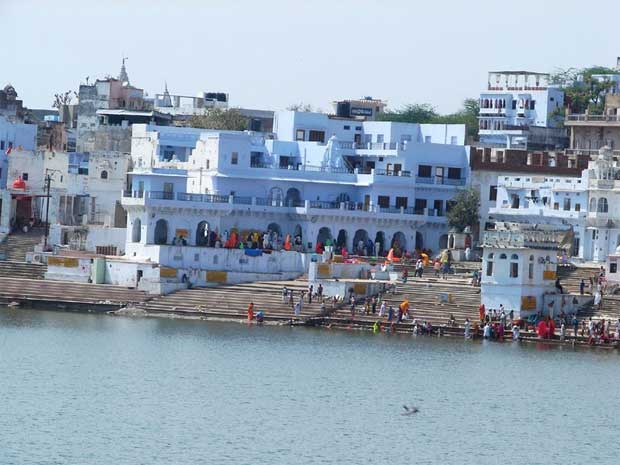
Pushkar Lake is a sacred water body, believed to have been created by Lord Brahma, making it one of the holiest pilgrimage sites in India. Surrounded by 52 ghats and over 500 temples, it is said that a dip in its waters can cleanse sins. The Brahma Temple, one of the very few dedicated to Lord Brahma.
-
Mount Abu

The only hill station in Rajasthan, Mount Abu offers a refreshing retreat from the desert heat. Situated in the Aravalli Range, it is known for its cool climate, lush greenery, and scenic lakes. The stunning Dilwara Temples, built between the 11th and 13th centuries, are famous for their intricate marble carvings.
-
Chittorgarh Fort
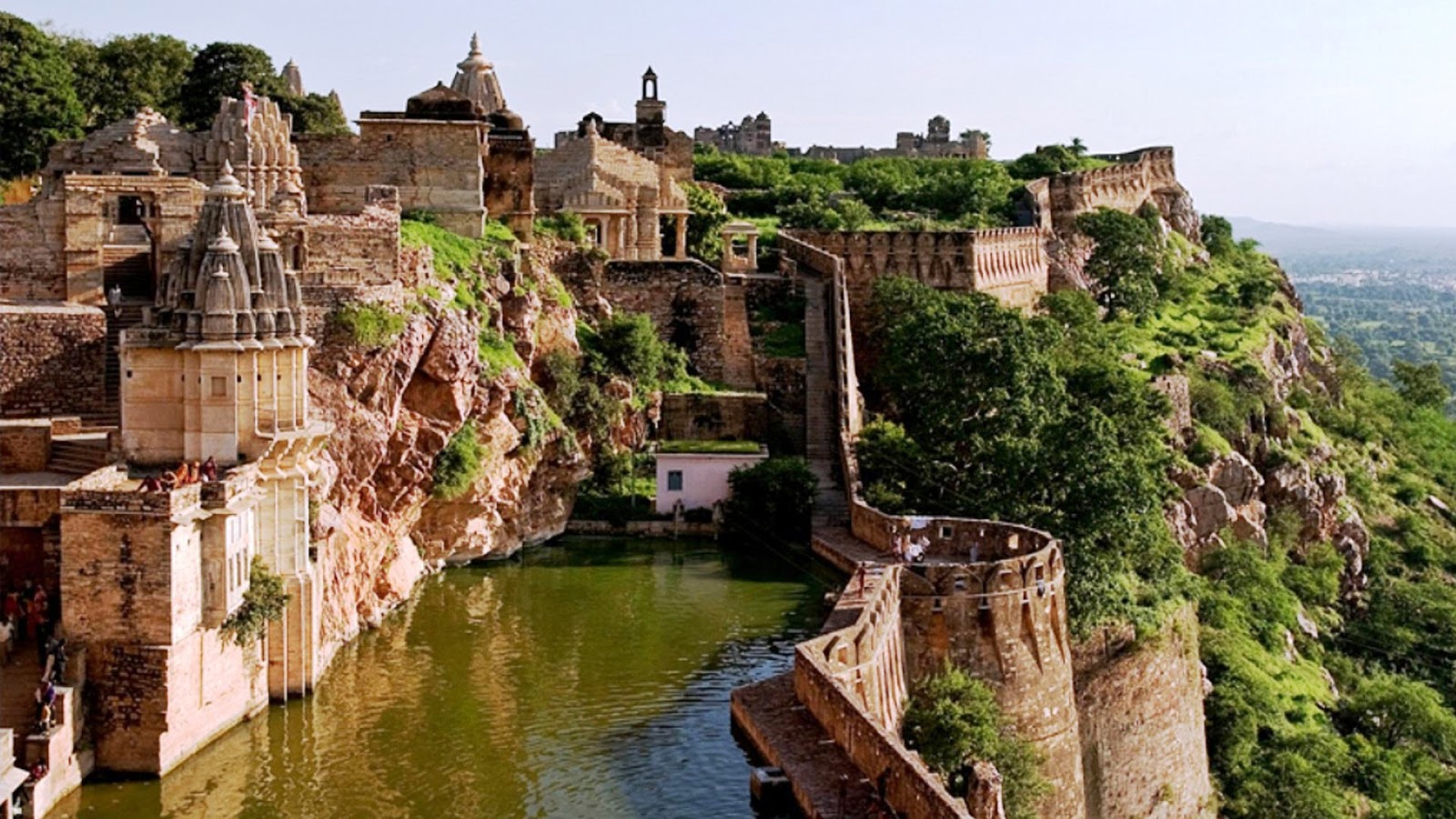
Chittorgarh Fort, Rajasthan’s largest fort and a UNESCO World Heritage Site, is a symbol of Rajput bravery and sacrifice. It was the capital of Mewar and witnessed legendary battles, including those involving Maharana Pratap and Rani Padmini. The fort spans 700 acres and houses historic structures like the Vijay Stambh (Victory Tower).
-
Jhalana Leopard Safari
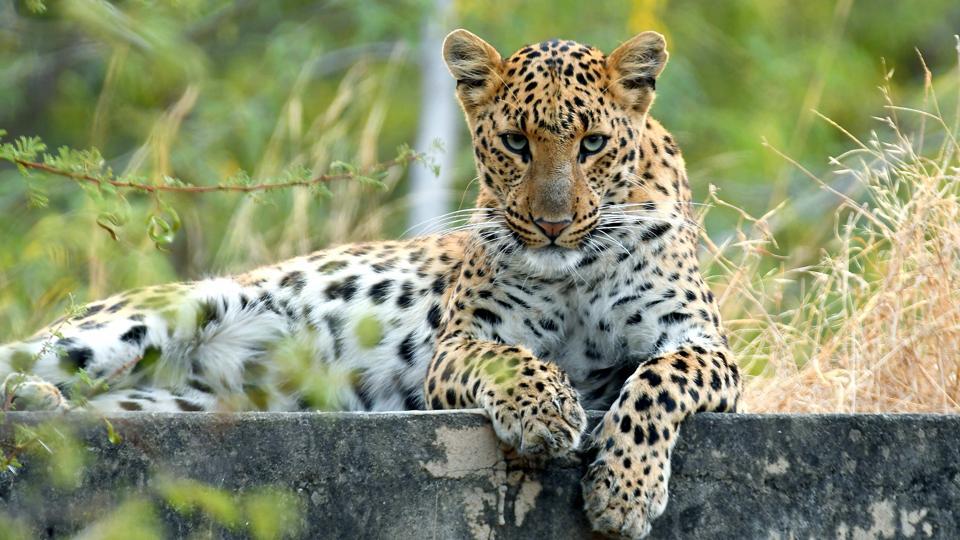
Located in Jaipur, Jhalana Leopard Safari is a hidden gem for wildlife enthusiasts. Spread over 23 sq km, it is one of the best places in India to spot leopards in the wild. Unlike larger reserves, Jhalana offers a high chance of leopard sightings, along with striped hyenas, jackals, nilgai, and various bird species.
-
Sambhar Lake
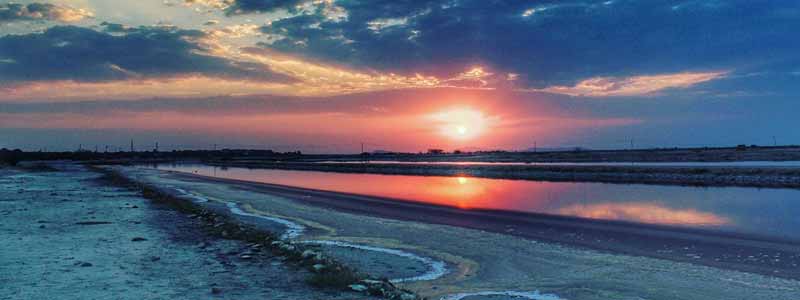
Sambhar Lake is India’s largest saltwater lake, covering an area of about 230 sq km. It is famous for its stunning white salt plains and attracts thousands of migratory birds, including flamingos, pelicans, and storks. The lake’s salt production dates back centuries, making it an important part of Rajasthan’s economy.
-
Bhangarh Fort
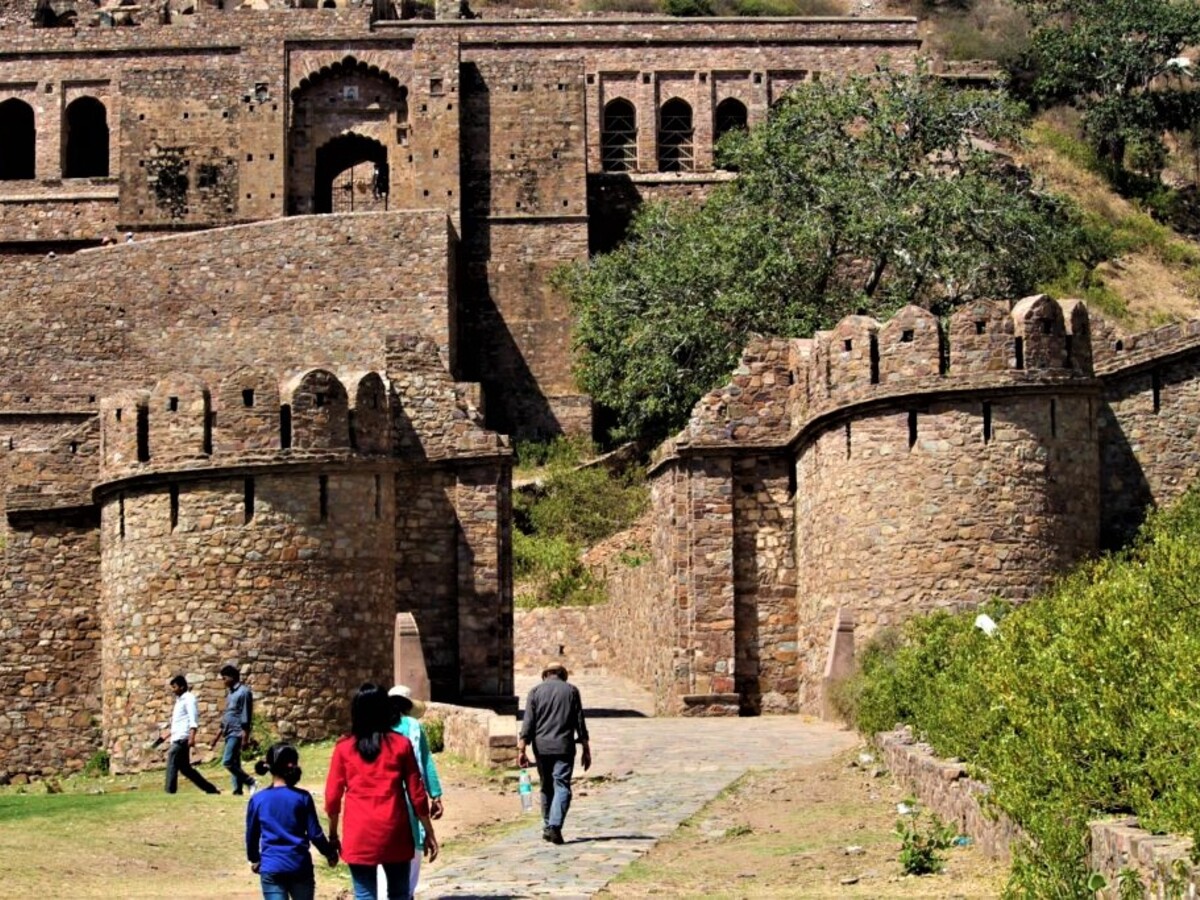
Known as India’s most haunted place, Bhangarh Fort is shrouded in mystery and eerie legends. Built in the 16th century by Raja Madho Singh, the fort now stands in ruins, with abandoned temples, palaces, and gateways. Local folklore tells of a cursed sorcerer who doomed the town, leading to its downfall.